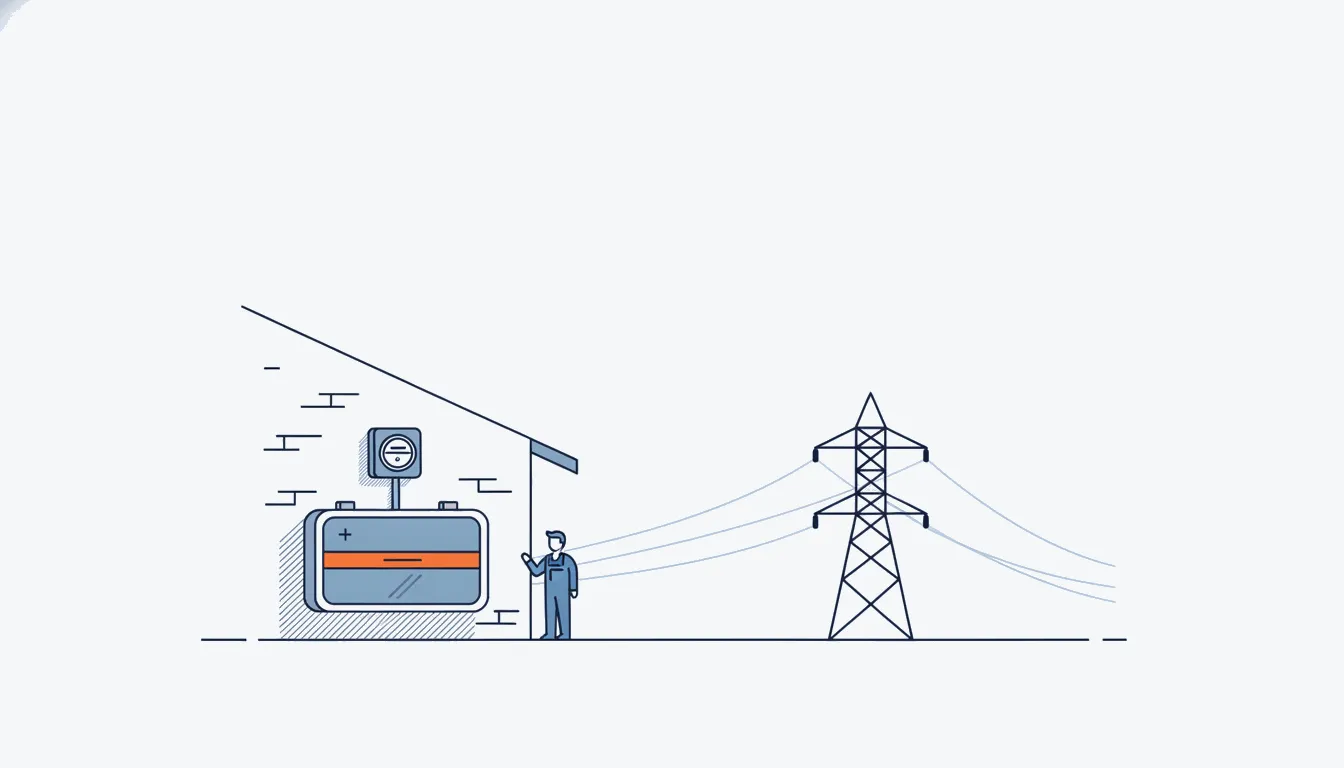
A VPP program (virtual power plant) pays battery owners to let the utility dispatch their stored energy during peak demand, and for solar and storage installers it has become the demand trigger the expired tax credit used to be. Every program launch is a geofenced, dated signal: a defined service territory, a published incentive, often a capped enrollment, and a utility spending its own money to convince its customers to buy the thing you install. Austin Energy’s pilot is the template, roughly 1,500 systems, an upfront payment around $500 plus an ongoing payment of $300 or more a year, and versions of that shape are live or launching across dozens of territories.
The market context, in one paragraph and no more: residential solar installs are down roughly 18 to 21 percent, customer acquisition costs are up around 40 percent, and third-party ownership is taking share. That is the backdrop, not the story. The story is that demand did not disappear, it moved: from a national tax credit everyone could sell, to territory-specific programs that reward the installers who track them.
The program shapes, and live examples
Incentive structures cluster into three shapes, often combined. Terms below are indicative of each program’s published shape, not quotes; program terms move, verify the current pages before selling against them.
| Utility / program | Territory | Incentive shape | Installer entry |
|---|---|---|---|
| Austin Energy battery pilot | Austin, TX | Upfront ( | Sell into the cap while it lasts; capped programs reward speed |
| ConnectedSolutions (Eversource, National Grid) | New England | Per-kW performance payments per season, paid annually | Enroll customers at install; the recurring payment is the pitch |
| Green Mountain Power | Vermont | Subsidized battery lease or bring-your-own-device credits | Partner-installer model; GMP markets, installers fulfill |
| Duke Energy PowerPair | North Carolina | Substantial upfront incentive for solar-plus-battery with VPP enrollment | Incentive requires enrollment, making the battery attach automatic |
| Xcel Renewable Battery Connect | Colorado | Upfront per-kW rebate plus annual participation payment | Registered-installer list; get on it before marketing in territory |
| Rocky Mountain Power Wattsmart Battery | Utah, Idaho | Upfront per-kW plus annual per-kW participation | One of the longest-running; mature enrollment process |
| APS / SRP battery programs | Arizona | Upfront rebates and event-based payments | Two utilities, two programs, one metro; know both |
| CA Emergency Load Reduction Program (DSGS/ELRP) | California IOUs | Pays per kWh dispatched during events (around $2/kWh) | Aggregator-mediated; pick your aggregator partnership |
Read the table as a routing map: each row is a territory where the battery conversation is subsidized, and the entry path column is the work. Half these programs run installer lists or aggregator partnerships, and being registered before you market in the territory is the difference between selling with the program and selling against it.
Finding the next program before competitors do
Programs announce themselves in public, in order:
- PUC and regulatory filings. Demand-response and VPP program budgets appear in rate cases and distribution plans months before launch. A quarterly skim of your states’ commission dockets is the earliest signal available.
- Utility press releases and pilot pages. The launch announcement names the incentive, the cap, and the enrollment window, the three numbers your pitch needs.
- DSIRE and incentive databases. The catch-all sweep for programs you missed, checked monthly.
- Aggregator footprints. Where the VPP operators and battery vendors announce utility partnerships, a program is launching behind it.
A capped program is a countdown: Austin’s 1,500 systems is not a market, it is a window. The installer who reads the filing in month one sells through the cap; the installer who hears about it from a customer arrives as it closes.
The storage-only sale
The VPP incentive rehabilitates the battery-without-solar sale. A storage-only install is a shorter cycle (no roof, no shading analysis, simpler permitting), addresses the households solar cannot (roof age, orientation, shading), and the program payments carry the economics that the missing solar savings used to. For installers staring at a thinner solar pipeline, the storage-only lane inside a VPP territory is the fastest revenue adjacent to existing skills, and every storage-only customer is a future solar or panel-upgrade conversation with the trust already built.
The account version: commercial and multi-family storage
The same logic scales. Commercial and multi-family storage rides the 48E investment credit (the commercial credit survived what 25D did not), demand-charge management, and increasingly the same VPP enrollments at larger scale. The buyers surface in the public record: interconnection queues, commercial battery permits, and program project lists name the addresses and owners building storage. One apartment portfolio or commercial owner is worth a season of residential installs, and the account playbook applies unchanged.
The feed behind it
Program launches, enrollment windows, incentive changes, commercial storage permits: all public, all dated, all territory-specific, and all decaying in value with every week they go unnoticed. That is the profile of signal FieldClients routes: matched to the account behind the address, with a verified decision-maker email on every lead, and a company phone where listed, to a capped number of members per trade and market. Storage-focused seats route through the electrical feed; if your territory has a program launching, ask about your market and we will show you what the signal layer looks like there.