Code violation leads for contractors
A code violation is a public record that says a specific building has a specific defect that must be fixed by a specific date. Nobody has to be persuaded there is a problem; the city already wrote it down.
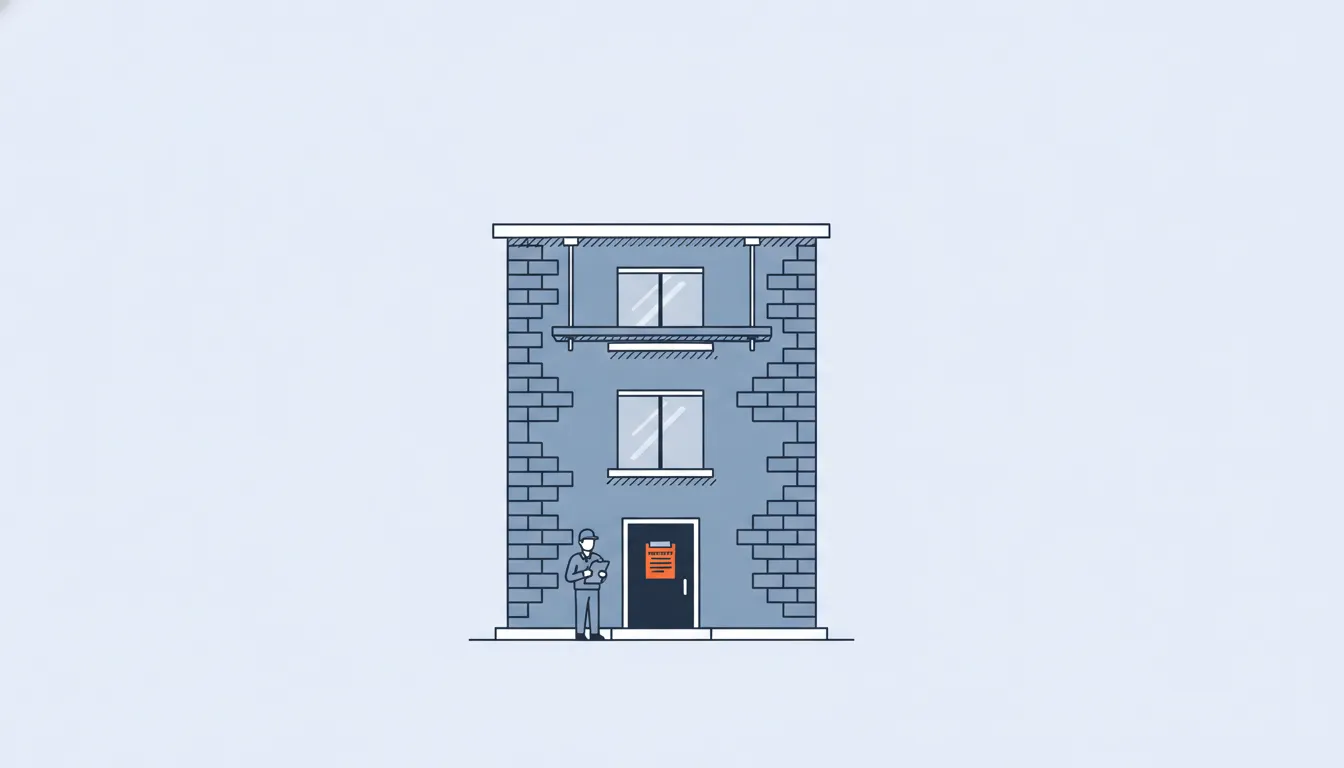
Code violations are public records naming a building, a defect and a cure deadline. A code violation lead is that record matched to the owner or manager responsible for fixing it, with a verified decision-maker. We read violation feeds daily and send you the ones that fit what you do.
- Public record, with a class and a deadline
- Names the building and the condition, not the buyer
- Stronger than a permit for repair trades: the need is documented, the vendor is not chosen
- FieldClients reads this record in your area every day and sends the leads: $800 to $2,000 a month by area size
What the record is
A violation is recorded when an inspector, or a tenant complaint that an inspector confirms, finds a condition that breaks the housing or building code. The record carries the building, the code section, a plain description of the condition, a class or severity, the date it was issued, and the date by which it must be corrected. Many carry a penalty schedule.
Violations are public because enforcement is public. Cities with a housing-maintenance code publish them on open-data portals with daily refresh; buildings departments publish construction and safety violations separately; 311-style complaint databases publish the complaints that precede them.
The record names the building and the condition, not the person who will hire the contractor. Matching the building to its registered owner or managing agent, then to the person who awards repair work, is what turns a violation into a lead.
Where it is published
- Housing code violations. NYC HPD violations and complaints; the equivalent housing or code-enforcement datasets in Chicago, Seattle, DC and other cities with an open-data portal.
- Buildings department violations. NYC DOB and ECB/OATH violations; construction, elevator, boiler and facade safety violations elsewhere.
- 311 complaint databases. Tenant and neighbour complaints, published before an inspector confirms them; clusters on one building are a signal on their own.
- Fire and life-safety records. Sprinkler, alarm and fire-safety violations from the fire department or buildings department.
Which trades it predicts
The same record means different work to different trades. Each card links to the leads page for that trade.

Heat and hot-water violations name a boiler or heating problem the owner must fix within days.

Water, leak and plumbing violations name the riser, fixture or supply problem.

Facade and structural violations are engineer-documented defects with a filing deadline.

Sprinkler and alarm violations must be cured before the next inspection.

Repeated leak and water-infiltration violations on upper floors point to the roof.

Electrical and service-equipment violations name work that needs a licensed contractor.

Any open violation is a documented, dated scope of work awaiting a bid.
Timing: when to reach out
Immediately. A violation carries a cure date, and the owner or manager is looking for a contractor the week it lands, often the day. Class and severity tell you how fast: a hazardous heat violation in winter is a same-week decision, a lower-class condition may sit until the next inspection. Repeat violations on one building or across one owner's portfolio are the strongest pattern, because the owner has a recurring problem and no fix that stuck.
Code violation leads: questions
Are code violations public record?
Yes. Violations are enforcement actions, and cities publish them. Housing-code violations, buildings-department violations and 311 complaints are on open-data portals in most large US cities, with the building, the condition, the class and the deadline. What is not public is a verified contact for the person who will hire the repair.
Why is a violation a stronger signal than a permit?
A permit means someone already decided what to build and usually who will build it. A violation means someone has been ordered to fix something and has not yet chosen who will fix it. The need is documented, dated and enforced, and the vendor slot is open.
Who is the buyer on a violation lead?
The party responsible for correcting it: the registered owner, or the managing agent on a managed building. FieldClients matches the violation to that account and delivers the person who awards repair work, with a verified email. Company phone where listed. It is never the tenant who complained.
Is it appropriate to contact an owner about a violation?
Yes, when the approach is straight: you saw the public record, you do that work, here is how you fix it and by when. Owners get the violation from the city either way; a contractor who arrives with the fix is useful. Keep the message factual, name the record, and leave the threat language out.
Keep reading
Want this record watched in your area?
Tell us what you do and where. Within 24 hours you get a proposal with your exact rate and 3 to 5 sample leads from your area.
Check your marketReply within one business day · Month to month, no setup fee